


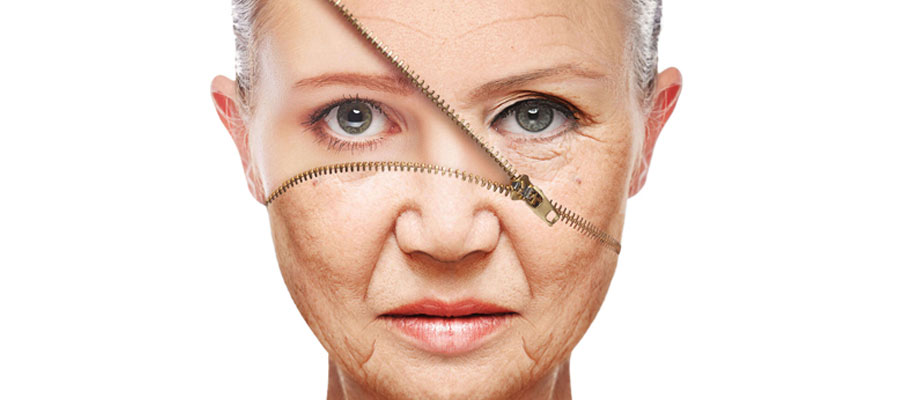
Laser resurfacing can reduce wrinkles, scars and blemishes on the face. Newer laser technologies give your plastic surgeon a new level of control in laser surface coating, providing extreme precision, especially in sensitive areas.
Where is it useful?
- Fine lines or wrinkles around or under your eyes, forehead, or mouth
Acne or chickenpox scars
- After face lifting
- Aged or sun-damaged skin
- Age spots
- Warts
Birthmarks such as epidermal nevus
- Enlarged sebaceous glands in the nose
How does laser skin resurfacing work?
It is about the concentrated shot of the beam of light in a certain period of time. Unwanted, damaged skin layer is removed.
The laser beam used in laser resurfacing removes the outer layer of the skin called the epidermis and also heats the underlying layer called the dermis. This action promotes the growth of new collagen fibers. As the treated area heals, the new skin formed is smoother and firmer.
For the best results, your plastic surgeon can begin a series of skin treatments to prepare your skin for your laser procedure first. These treatments usually start 6 weeks or earlier from your planned procedure. These skin treatments are tailored to your specific skin type to minimize complications and get the best out of your laser regeneration.
Cosmetic laser replacement is usually done in a clinical setting and typically takes between 30 minutes and 2 hours. Laser resurfacing can be painful. For this reason, your doctor may numb the skin with local anesthetics. You can also get a sedative to help you relax. If you prefer large surface resurfacing or performing other cosmetic procedures at the same time, your surgeon may use a general anesthetic. The doctor will then provide painkillers to make you comfortable. During the preparation, your face is thoroughly cleaned and eye protection can be given to you.
Two types of lasers are commonly used for laser regeneration: carbon dioxide (CO2) and erbium. Both work to evaporate superficial, damaged skin cells.
CO2 laser rejuvenation
Over the years, doctors have used CO2 lasers to treat various skin conditions. New generation CO2 lasers have the power to provide very short pulsed light energy (called ultrapulsed) or continuous light beams. This laser type delicately cleans thin skin layers with minimal damage to surrounding tissues.
Erbium laser rejuvenation
This type of laser wrinkle removal is often used to remove superficial and moderately deep lines and wrinkles on your face, but can also be used on your neck, chest, or hands.
After the procedure
After laser renewal is completed, special dressing will be applied. Special topical treatments may also be required to increase healing.
Laser skin renewal complications:
Acne attacks, bacterial infection, wound reactivation, hyperpigmentation, milia, long-term redness, scar, edema.